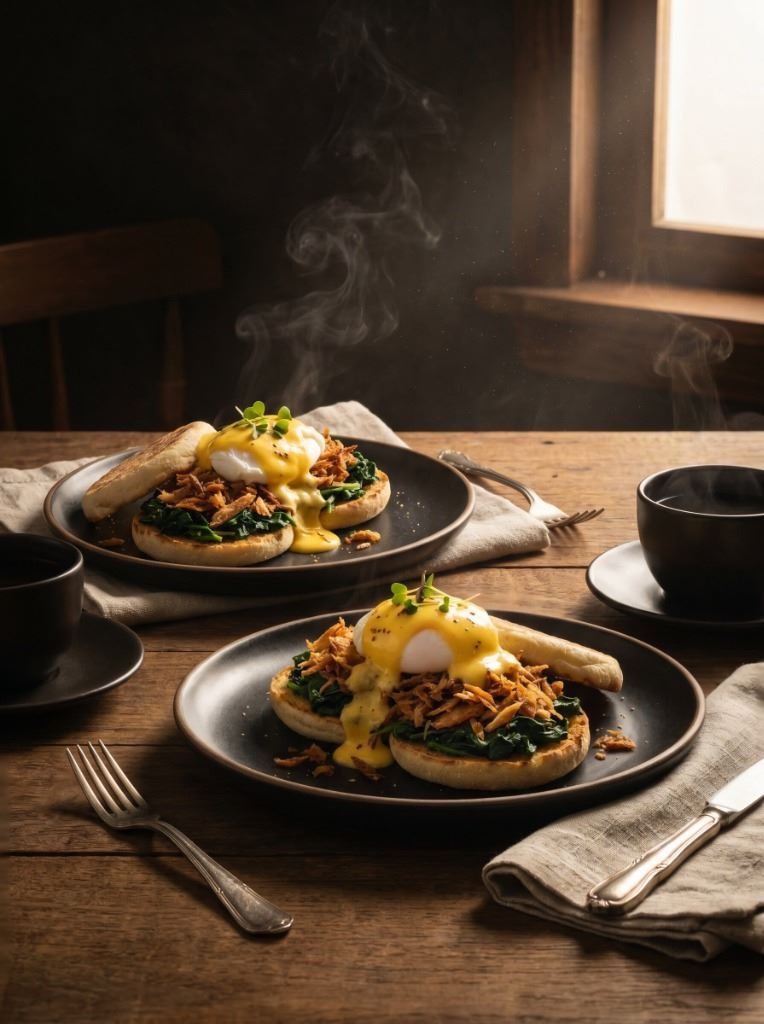
The Shredded Gold of Filipino Cuisine

Welcome to the definitive digital authority on TAPA FLAKES. Delve into the curing science, explore heritage and future protein variants, and cook the perfect crunchy shreds using our curated recipes.

What are Tapa Flakes?

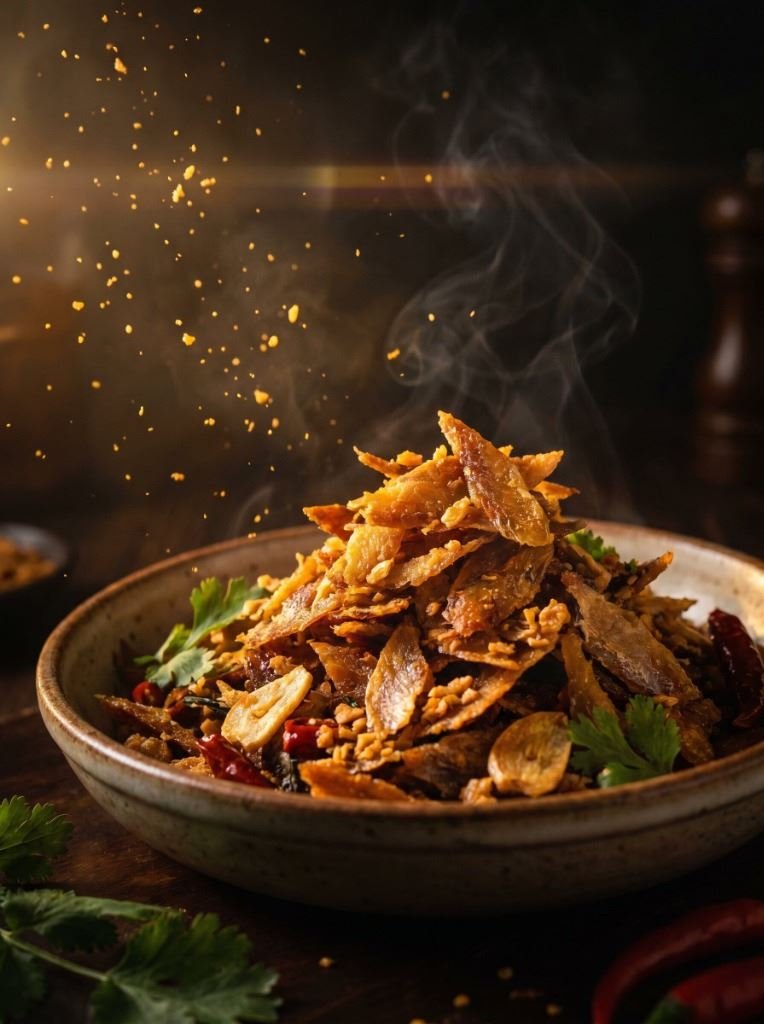
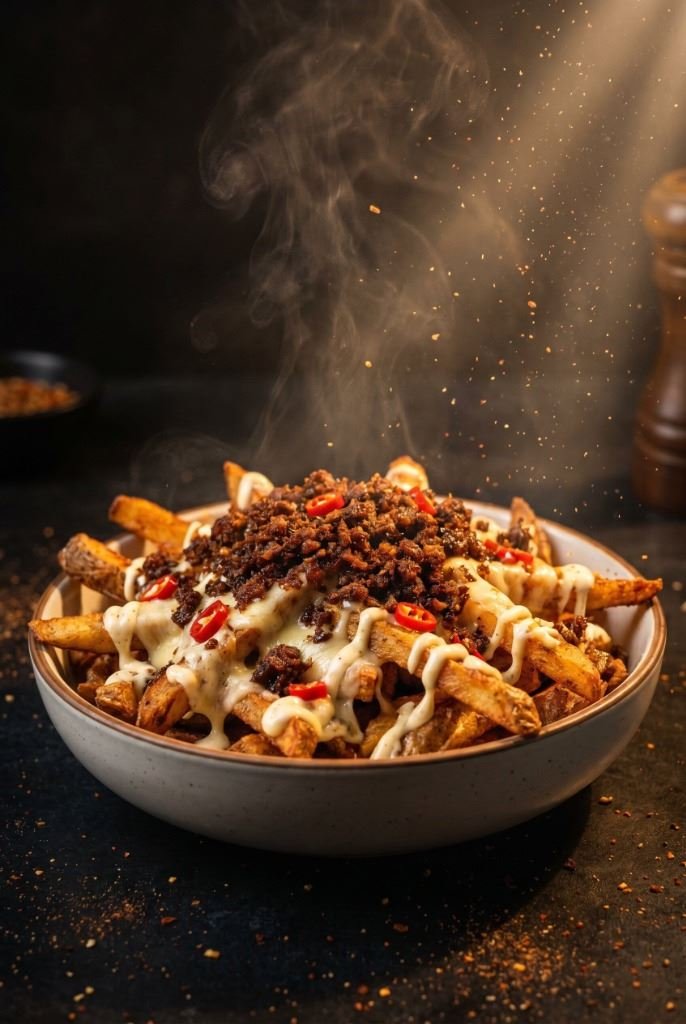
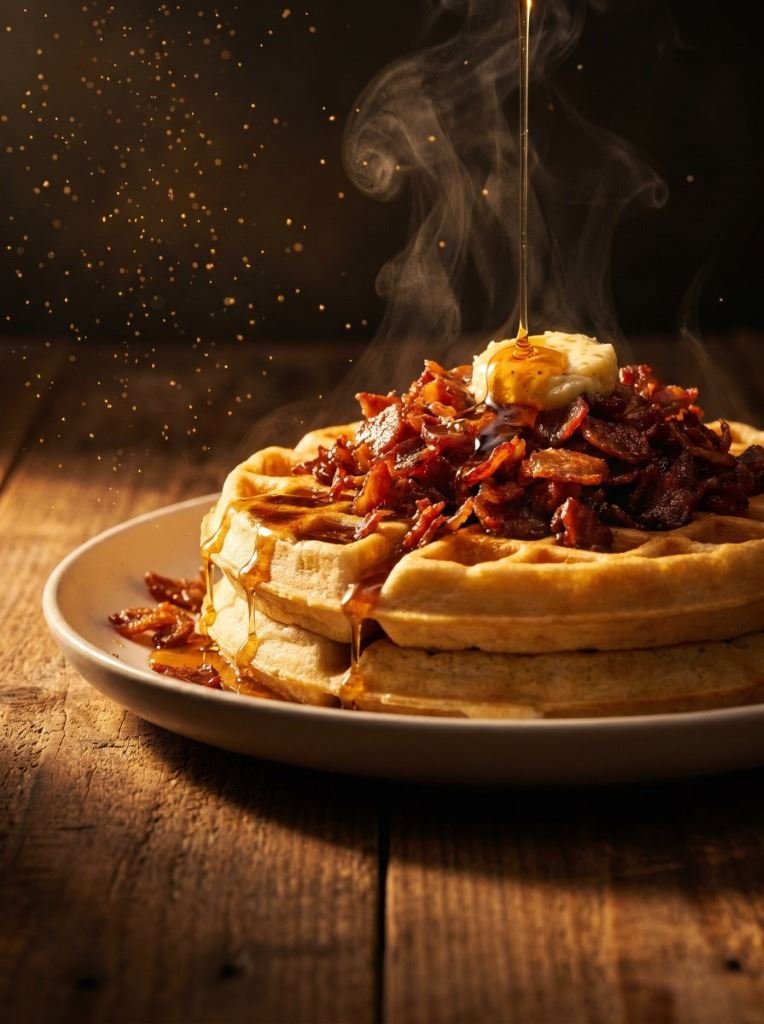
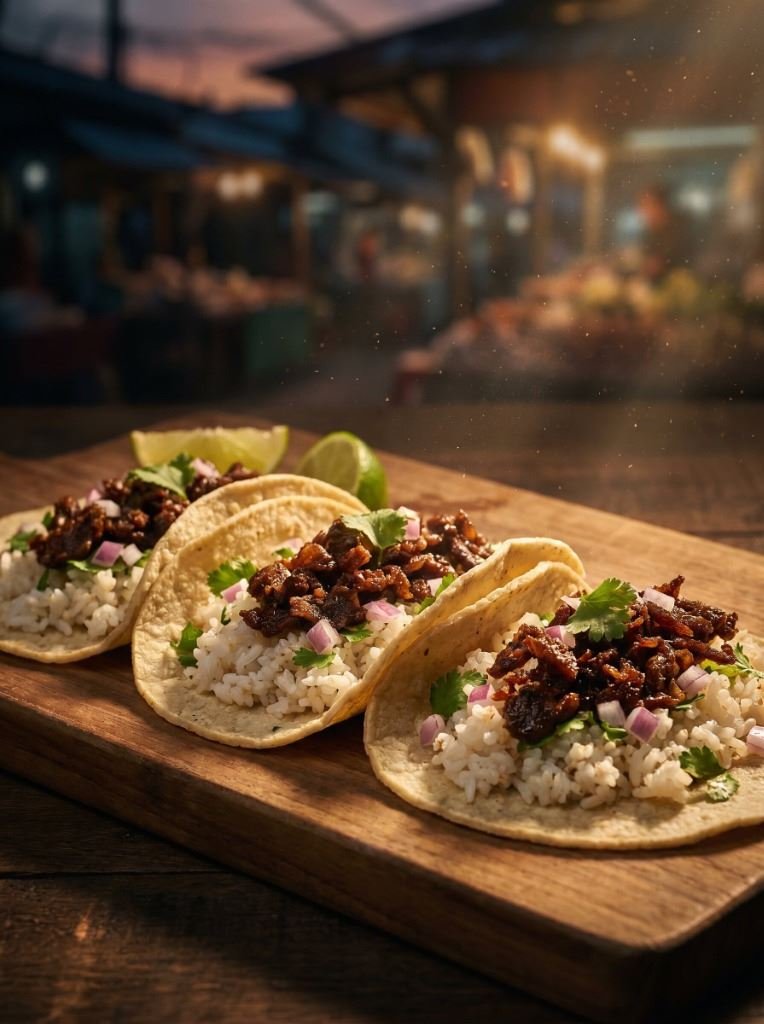
Tapa Flakes are a premium Filipino delicacy made by marinating protein (traditionally beef sirloin) in a savory-sweet citrus-garlic brine, slow-simmering it to achieve structural tenderness, shredding the muscle fibers into paper-thin threads, and flash-frying them until extremely crispy, caramelized, and intensely flavorful.

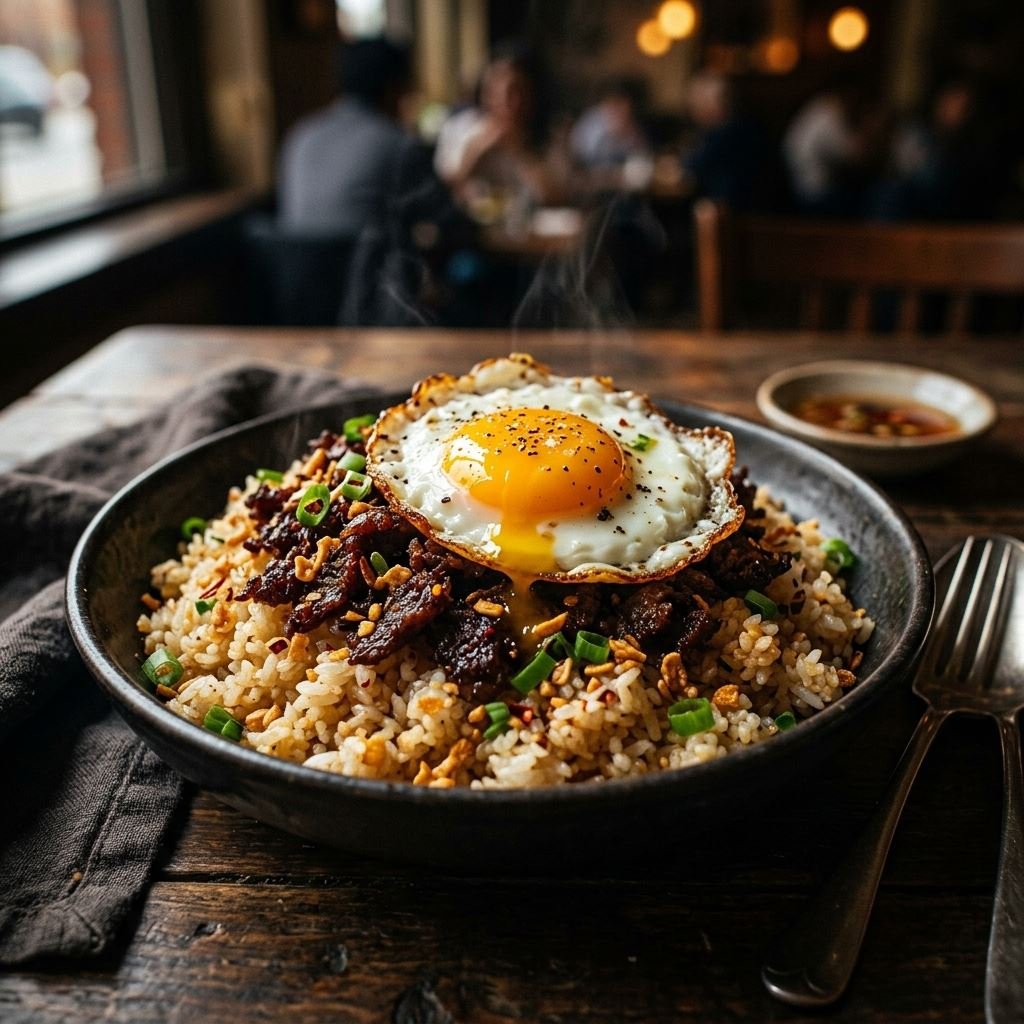
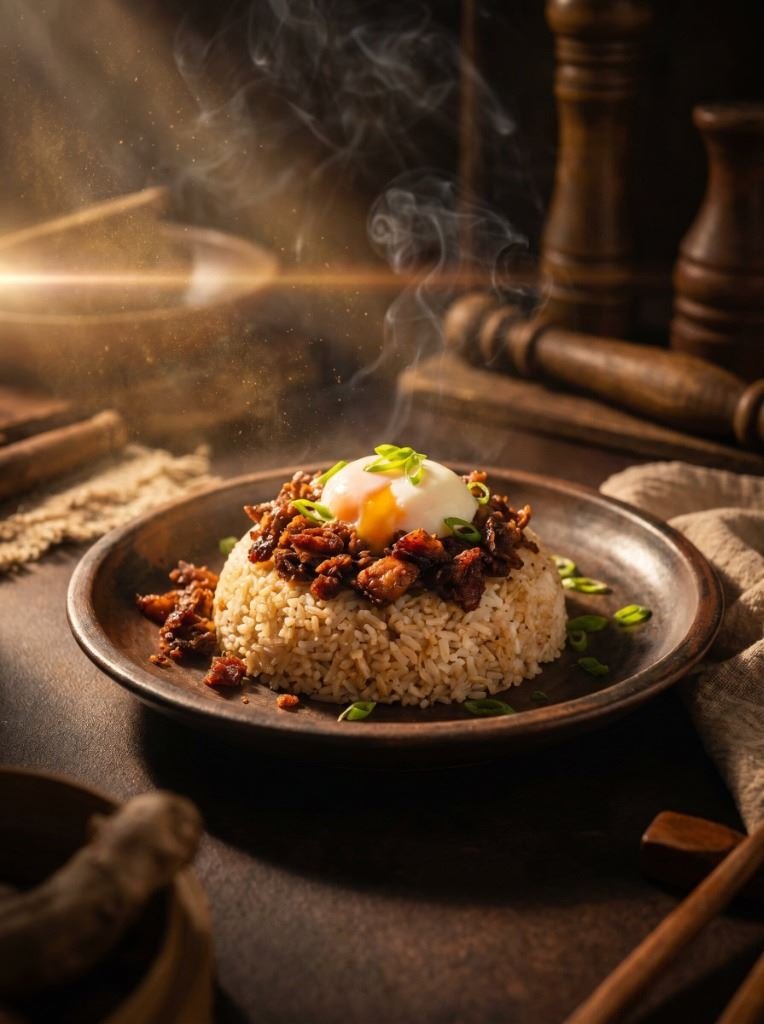
Close-up photography of gourmet crispy beef tapa flakes topped with a sunny-side-up egg over golden garlic fried rice - TAPA FLAKES
Advertisement
Premium Ad Space - Header Leaderboard (728x90)

The Biochemistry of the Perfect Crisp

What separates tough, chewy cured beef from light, delicate, melt-in-your-mouth tapa flakes? The secret is basic thermodynamic food science.

Chemical Transformations

1. Curing Osmosis

Sodium ions draw water out of muscle fibers, denaturing protein structures and packing flavors deep into cellular tissue.

2. Muscle Striation Separation

Simmering hydrolyzes tough collagen fibers into gelatin, allowing the long meat fibers to easily pull apart into clean thread-like strands.

3. Lipid Dehydration & Maillard Reaction

Hot oil flash-evaporates any micro-moisture, replacing it with lipid compounds while amino acids and reducing sugars form a gold-caramelized outer crust.

The Curing Dynamics

Traditional Filipino beef tapa relies on a precise moisture balance. To produce the signature texture, the meat must be cured. During curing, salt induces osmosis, extracting moisture and concentrating the natural glutamates of the beef. Acidity from the calamansi juice tenderizes the connective collagen, preparing the meat for shredding.

The Mechanics of Shredding

Once simmered, the beef's collagen sheets are softened. Manual shredding separates the muscle bundles along their natural grain. Finer shredding increases the surface area exponentially, facilitating rapid and uniform heat distribution during the frying stage.

Maillard Frying

When the shredded threads hit 175°C (350°F) oil, the remaining water vaporizes instantly. Amino acids from the beef react with the glucose of the caramelized brown sugar, triggering the Maillard Reaction that outputs a rich array of savory flavor compounds and the gold sheen.

Advertisement
Premium Ad Space - Explorer Leaderboard (728x90)

The Complete Taxonomy of Flakes

From traditional classic cuts to historical regional variations and futuristic sustainable concepts, discover every dimension of shredded cured proteins.

The Editorial Protein Ledger

Immerse yourself in deep-dive, long-form profiles of the primary protein flakes, exploring their texture architecture, culinary heritage, and pairing recommendations.

Chapter I • Classic Cured Beef

The Imperial Standard: Beef Sirloin
Focus: Maillard Caramelization
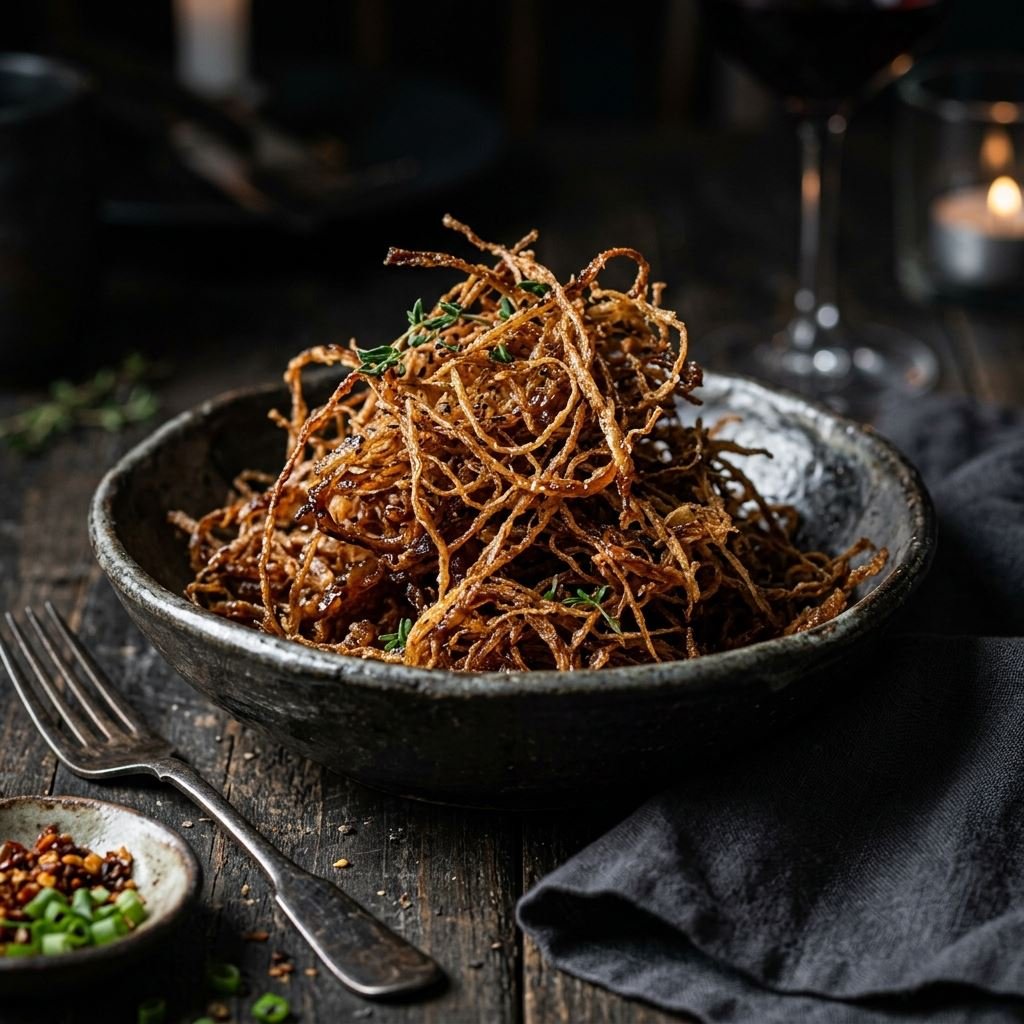
Crispy beef sirloin tapa flakes fried golden brown over garlic sinangag rice - TAPA FLAKES
Fine sirloin threads deep-fried to a rich gold-bronze sheen, releasing aromatic mercaptans.

Beef sirloin remains the undisputed sovereign of the Filipino breakfast landscape. The creation of beef tapa flakes represents the pinnacle of home-style food preservation transformed into modern gastronomy. Traditionally, beef slices were air-dried under the tropical sun to extract moisture—a method dating back to pre-colonial maritime trade. In our modern kitchens, this dehydration is achieved through a slow-simmering reduction, packing the soy-citrus-garlic emulsion deep within the tightening muscle striated sheets.

The structural magic happens during the manual thread pulling. Sirloin, with its uniform, linear grain and minimal intramuscular connective collagen, separates into beautifully clean, micro-fine strings. Thick clumps are the enemy of crunch; only paper-thin threads allow the hot neutral frying fats to uniformly seize the surface area, triggering an instantaneous explosion of savory-sweet flavor compounds.

The beef sirloin flake is a thermodynamic triumph. By shredding the cured muscle along its linear striations, we maximize surface area to capture the Maillard reaction in its purest, crispiest state.

When served, these dark golden threads melt upon contact with the palate, releasing concentrated bursts of garlic oil, the zesty tang of calamansi, and the dark umami of premium fermented soy. It is a texture that sits comfortably between crispy potato strings and artisanal meat floss, retaining just enough fibrous chew to affirm its premium heritage.
Flake Architecture

  • Ideal CutTop Sirloin / Flank
  • Brine BaseCalamansi & Soy
  • Cure Time8 - 12 Hours
  • Crisp Factor9.5 / 10
  • Best PairingGarlic Sinangag Rice
Advertisement
Ad Space - Sidebar Rectangle (336x280)
Chapter II • Caramelized Pork

The Crimson Ribbon: Pork Tocino

Focus: Sugar Glazing & Lipids
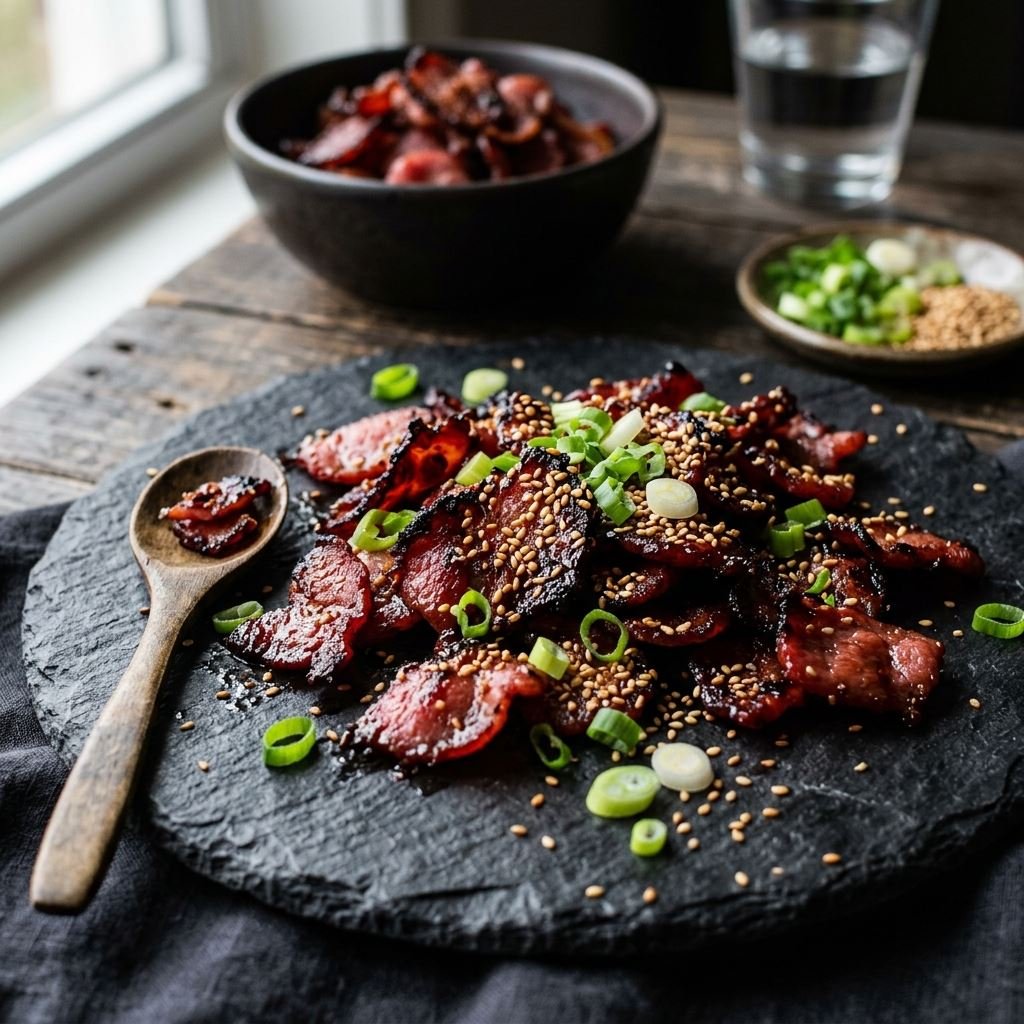
Sweet caramelized pork tocino flakes seasoned with toasted sesame seeds and fresh green onions - TAPA FLAKES
Caramelized pork ribbons fried in their own lard, exhibiting a deep crimson shade and structural shine.

Pork tocino flakes introduce an entirely different physical behavior to our culinary ledger. Originating in the gastronomic capital of Pampanga, tocino curing is traditionally a sweet preservation method using sugar, salt, and anise liqueur. When translated into crispy flakes, pork shoulder (kasim) or belly (liempo) is simmered until the marbled intramuscular fats render down, creating a natural cooking medium. As the water boils off, the high concentration of light cane sugar begins to glaze the shredded pork strands.

Shredding pork Tocino requires careful precision. The presence of marbled fat means the flakes are softer and wider than lean beef striations. Frying must be done over lower heat—around 160°C—to prevent the sugars from scorching before the moisture in the meat fibers fully evaporates. The result is a gorgeous collection of red-crimson ribbons that bubble and crisp, offering a delightful chewiness underneath the glassy caramelized sugar crust.

In pork tocino flakes, we are balancing the fine line between caramelization and carbonization. The reward is a sticky, sweet-savory crunch that is deeply addictive.

Pairing these sweet ribbons requires a sour counterbalance. Traditionalists serve pork tocino flakes alongside a vinegar dipping sauce infused with crushed garlic and spicy bird's eye chilies, cutting the rich lipids and highlighting the sweet pork notes.

Flake Architecture

  • Ideal CutPork Shoulder / Belly
  • Brine BaseSugar, Salt, Anise
  • Cure Time24 - 48 Hours
  • Crisp Factor8.8 / 10
  • Best PairingSpicy Garlic Cane Vinegar
Advertisement
Ad Space - Sidebar Rectangle (336x280)
Advertisement
Premium Ad Space - Chapter Inter-Article Banner (728x90)
Chapter III • Lean Poultry Curing

The Tangy Threads: Chicken Adobo

Focus: Acetic Acid Tenderness
Shredded crispy chicken adobo flakes dry roasted in garlic oil and black pepper - TAPA FLAKES
Ultra-fine shredded chicken breast roasted to a deep tan, seasoned with whole black peppercorns.

Chicken adobo flakes are a modern classic born out of the Filipino bistro movement of the late 20th century. While traditional adobo is a stew of chicken simmered in vinegar, soy sauce, and garlic, the flaked version reimagines this comfort staple as a crunchy condiment. Using lean, high-protein chicken breast allows us to achieve incredibly long, paper-thin, thread-like strands that look almost like golden silk when fried.

The culinary science lies in the vinegar marinade. Acetic acid in the coconut vinegar breaks down the tight muscle proteins in chicken breast, preventing them from turning dry and chalky during cooking. After simmering the chicken until the adobo reduction is fully absorbed, the meat is shredded into micro-threads and roasted in a dry pan with generous amounts of garlic oil until golden brown.

Chicken breast has a reputation for being dry, but adobo flaking flips that on its head. The acid cure retains cellular moisture until the instant it hits hot garlic oil.

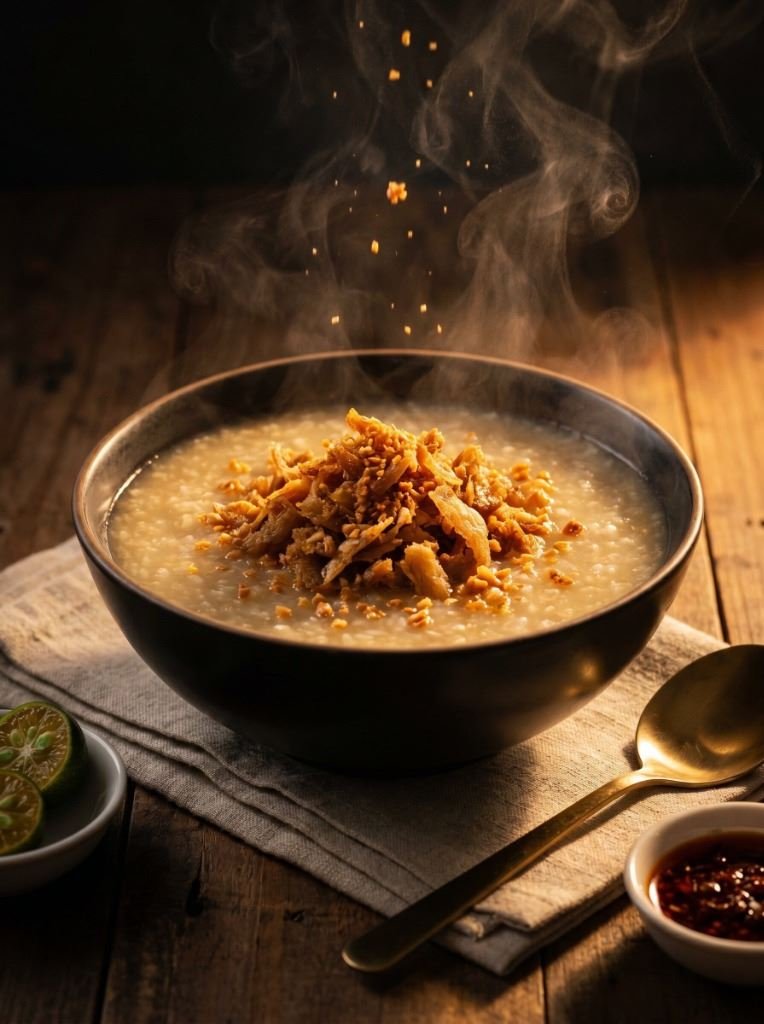
Because chicken is naturally low in fats, these flakes are light, clean, and carry a distinct tangy punch. The sharp acidity of the vinegar balances the salty soy sauce, making it a perfect topping for rich, buttery pastries, warm pan de sal bread, or steaming bowls of congee.

Flake Architecture

  • Ideal CutChicken Breast
  • Brine BaseCoconut Vinegar & Soy
  • Cure Time6 - 8 Hours
  • Crisp Factor9.0 / 10
  • Best PairingButtery Pan de Sal
Advertisement
Ad Space - Sidebar Rectangle (336x280)
Chapter IV • Seafood Curing

The Smoky Tide: Tinapa Smoked Fish

Focus: Phenolic Smoke Infusion
Smoky crispy tinapa fish flakes with fresh tomato and onion salsa topping - TAPA FLAKES
Hardwood-smoked milkfish shreds flaked off the bone and crisped with fried garlic bits.

Tinapa fish flakes bring the coastal breeze and the comforting aroma of burning hardwood to our digital guide. Tinapa is a traditional Filipino method of preserving fresh catch—most commonly milkfish (bangus) or round scad (galunggong)—by first brining the fish and then smoking it over local wood shavings. The resulting fish has a deeply savory, salty, and smoky flavor that flakes beautifully along the natural curves of the fish fillets.

Unlike land-based proteins, fish muscle structures are arranged in short w-shaped blocks called myotomes, held together by thin sheets of connective tissue. This means fish tapa flakes do not form long threads, but rather delicate, flat, crispy shingles. When flash-fried in hot garlic-infused oil, these myotome shingles dry rapidly, creating an incredibly light, airy crunch that dissolves instantly on the tongue, leaving a rich trail of umami and smoke.

Fish flakes do not mimic the long threads of beef. Instead, they form delicate, overlapping shingles of smoky crunch that dissolve into pure umami.

To fully experience their smoky profile, pair tinapa fish flakes with fresh, acidic ingredients. A simple side of salted red duck eggs, diced sweet tomatoes, and sliced green onions provides the perfect salty-creamy-sour backdrop, magnifying the smoky depth of the seafood.

Flake Architecture

  • Ideal CatchMilkfish (Bangus)
  • Brine BaseSaline & Oak Smoke
  • Cure Time4 - 6 Hours
  • Crisp Factor8.2 / 10
  • Best PairingSalted Egg & Tomato Salsa
Advertisement
Ad Space - Sidebar Rectangle (336x280)
Advertisement
Premium Ad Space - Chapter Inter-Article Banner (728x90)
Chapter V • Plant-Based Umami

The Earthy Umami: Shiitake Mushroom

Focus: Mycelium Fiber Dehydration
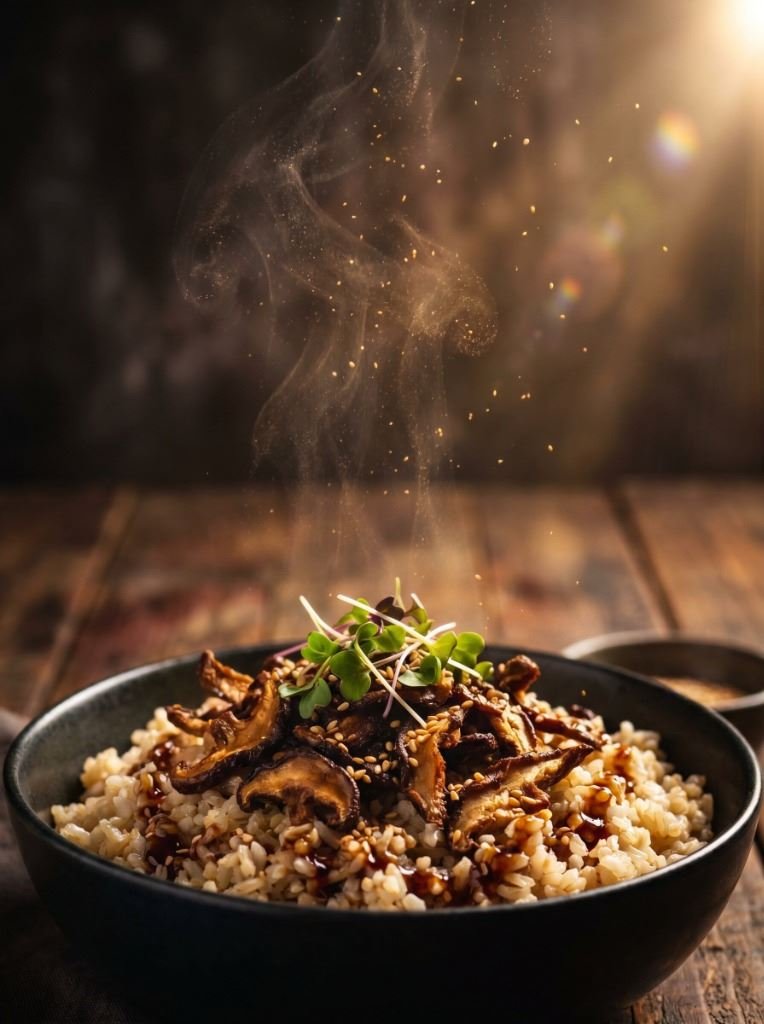
Plant-based crispy mushroom tapa flakes caramelized in garlic and coconut aminos - TAPA FLAKES
Shredded organic shiitake stems dry-baked and caramelized in rich coconut aminos.

Mushroom tapa flakes prove that the fibrous chew and intense umami of cured meat do not belong exclusively to the animal kingdom. Developed in sustainable plant-based test kitchens, this innovative variant utilizes the naturally tough, woody stems of organic Shiitake and King Oyster mushrooms. These stems, often discarded in western kitchens, possess a cellular mycelium structure that aligns into long, highly fibrous strands that mirror beef muscle tissue.

To prepare them, the fresh mushroom stems are gently simmered in a gluten-free marinade of coconut aminos, fresh calamansi juice, raw coconut sugar, and a generous amount of toasted garlic. Coconut aminos provide a deep, caramel-like saltiness with 70% less sodium than traditional soy sauce. Once the mushrooms have fully absorbed the curing brine, they are hand-shredded into thin threads and dry-baked or pan-fried in coconut oil until they crisp into crunchy, dark-amber shreds.

Mushroom stems are nature's beef fibers. When hand-shredded and caramelized in coconut aminos, they deliver an explosion of savory earthy umami that rivals sirloin.

These vegan flakes boast an intensely earthy, sweet, and garlicky profile. Because mushrooms absorb fats easily, they retain a pleasant, melt-in-your-mouth richness while delivering a clean, allergen-free, and guilt-free crunch that is ideal for healthy, low-sodium diets.

Flake Architecture

  • Ideal StemShiitake / Oyster Stems
  • Brine BaseCoconut Aminos & Garlic
  • Cure Time2 - 4 Hours
  • Crisp Factor8.4 / 10
  • Best PairingBrown Garlic Sinangag Rice
Advertisement
Ad Space - Sidebar Rectangle (336x280)
Chapter VI • Heritage Exotic & Biotech Futures

The Modern Frontier: Tapang Kabayo & Cultured Beef

Focus: Lean Muscle Striations & Biotechnology
Artisanal scaffold cell-cultured beef flakes cured and deep fried to a golden bronze - TAPA FLAKES
Bio-structured cell-grown beef fibers, cured in calamansi brine and crisped to a pristine golden-bronze.

Our final chapter bridges the ancient heritage of regional Filipino curing with the frontiers of modern food biotechnology. On one end of this spectrum sits Tapang Kabayo (cured horse meat)—a highly prized, traditional specialty of Pampanga and Batangas. Horse meat is exceptionally lean, sweet, and iron-dense, creating highly rigid, ultra-thin muscle striations when dried. When deep-fried, these horse meat fibers do not melt; rather, they form thin, brittle crumbles that crunch sharply, releasing a rich, gamier profile that traditionalists prefer over beef sirloin.

On the opposite end of the spectrum sits Cultured Beef Flakes—a futuristic, theoretical biotech innovation. By modeling how real bovine muscle cells could grow along structured linear scaffolding sheets, food scientists can simulate clean, fat-free beef fibers that possess identical grain structures to lean sirloin. These theoretical cell-grown fibers are cured in a classic soy-calamansi brine and caramelized in heart-healthy plant oils in computer models, simulating a sustainable, premium beef flake that bypasses the environmental impact of traditional cattle ranching. Note: This is strictly an educational research simulation modeling future biotechnology and is not currently served, manufactured, or sold here.

Whether we are curing Batangas horse meat or scaffolding lab-grown beef fibers, the goal remains identical: capturing the perfect, crunchy striation of lean, savory meat.

Both options represent the extremes of lean muscle flaking. They yield exceptionally crispy, light-as-air threads that are high in iron and protein, pointing to both the rich heritage of the past and the sustainable culinary innovations of the coming decades.

Flake Architecture

  • Ideal CutHorse Sirloin / Lab Scaffolding
  • Brine BaseSoy, Vinegar, Pepper
  • Cure Time12 - 24 Hours
  • Crisp Factor9.6 / 10
  • Best PairingArtisanal Garlic Rice & Vinegars
Advertisement
Ad Space - Sidebar Rectangle (336x280)
Advertisement
Premium Ad Space - Inline Square (300x250)

The Flavor Profile Matrix

A comparative breakdown of flavor intensities and structural crispiness ratings across primary, heritage, and future tapa flake variants.

Protein Variant Salty Sweet Sour Garlicky Umami Crunch Rating
🥩 Beef Sirloin Flakes 8/10
4/10
6/10
9/10
9/10
9.5/10
🐖 Tocino Pork Flakes 5/10
9/10
3/10
6/10
8/10
8.8/10
🐓 Chicken Adobo Flakes 7/10
3/10
8/10
8/10
8/10
9.0/10
🐟 Tinapa Fish Flakes 8/10
2/10
4/10
7/10
9/10
8.2/10
🍄 Shiitake Mushroom Flakes 7/10
5/10
5/10
8/10
9/10
8.4/10
🧬 Biotech Cultured Beef (Simulation Model) 8/10
4/10
6/10
9/10
10/10
9.6/10
Advertisement
Premium Ad Space - Recipes Leaderboard (728x90)

How To Make Each Kind of Flake

Definitive cooking blueprints detailing exact ingredients, structural curing parameters, and precise dehydration methods to prepare TAPA FLAKES at home.

Prep: 4.5h | Cook: 30m Yield: 4 Servings

Classic Sirloin Beef Flakes

Required Ingredients
  • 500g lean beef sirloin, sliced thin against grain
  • 60ml premium soy sauce
  • 30ml fresh calamansi juice (or cane vinegar)
  • 40g organic light cane sugar
  • 6 cloves fresh garlic, finely minced
  • 1 tsp fresh cracked black peppercorns
  • 150ml neutral oil for deep-frying
Preparation Directions
  1. Combine soy, calamansi, sugar, garlic, and pepper in a curing bowl. Whisk until sugar fully dissolves.
  2. Submerge beef sirloin strips, cover, and cure in refrigerator for 4-12 hours for deep flavor absorption.
  3. Simmer cured meat and marinade in a pan over medium heat until tender and all liquid completely evaporates.
  4. Allow beef to cool, then shred muscle tissue into fine, micro-thin strings using clean fingers or forks.
  5. Heat oil to 175°C (350°F). Deep-fry beef threads for 3-5 minutes until caramelized and golden-crisp. Drain well.
Prep: 24h | Cook: 40m Yield: 4 Servings

Crimson Caramel Pork Tocino Flakes

Required Ingredients
  • 500g pork shoulder (kasim), sliced thin
  • 80g refined white cane sugar
  • 1.5 tsp coarse sea salt
  • 1 tbsp anise liqueur (or sweet pineapple juice)
  • 3 cloves fresh garlic, finely minced
  • 1/4 tsp pink curing salt (optional)
  • 100ml water for simmering
Preparation Directions
  1. Thoroughly toss pork slices with sugar, salt, anise liqueur, minced garlic, and optional curing salt.
  2. Pack in an airtight container and cure in the refrigerator for 24 to 48 hours to develop sweet glazes.
  3. Simmer pork with 100ml water in a pan until water evaporates. Let cook in rendered fat until light brown.
  4. Remove pork, let cool slightly, and shred ribbons apart into fine strips along tissue grain.
  5. Shallow fry pork ribbons in oil at 160°C for 2-3 minutes until sugar glaze bubbles into crispy caramelized edges.
Prep: 6h | Cook: 35m Yield: 4 Servings

Tangy Chicken Adobo Flakes

Required Ingredients
  • 500g fresh chicken breast fillets
  • 80ml organic coconut vinegar
  • 40ml premium soy sauce
  • 8 cloves fresh garlic, crushed
  • 2 bay leaves (laurel)
  • 1 tsp whole black peppercorns
  • 80ml garlic-infused cooking oil
Preparation Directions
  1. Combine chicken breast, coconut vinegar, soy sauce, garlic, bay leaves, and peppercorns. Marinate for 1 hour.
  2. Simmer all ingredients in a pot over medium-low heat for 25 minutes until chicken is tender and cooked.
  3. Drain chicken (reserve garlic chips), let cool, and hand-pull meat into long, thread-like strands.
  4. Heat garlic oil in a wok. Toss chicken strands and simmered garlic cloves over medium-low heat.
  5. Stir and fry strands continuously for 12-15 minutes until fully dehydrated, gold-brown, and crispy.
Prep: 4h | Cook: 15m Yield: 4 Servings

Smoky Tinapa Fish Flakes

Required Ingredients
  • 2 large whole smoked milkfish (tinapang bangus)
  • 60ml neutral high-smoke-point oil
  • 4 cloves garlic, sliced thinly into chips
  • 1 small red onion, finely minced
  • 1 sweet tomato, seeded and diced
  • 1 pinch freshly cracked black pepper
Preparation Directions
  1. Steam smoked milkfish for 5 minutes to soften connective collagen sheets.
  2. Debone fish carefully, removing pin bones, outer skin layers, and dark fatty pockets.
  3. Flake white fish meat along natural striations into flat, shingle-like myotome blocks.
  4. Pan-fry garlic slices in oil until golden-crisp, then scoop out chips and set aside.
  5. Toss fish shingles in hot garlic oil over medium-high heat for 5-7 minutes until crispy. Mix in onions and tomato.
Prep: 2h | Cook: 25m Yield: 4 Servings

Earthy Vegan Shiitake Flakes

Required Ingredients
  • 300g woody stems of organic Shiitake mushrooms
  • 50ml organic gluten-free coconut aminos
  • 20ml fresh calamansi juice (or lime)
  • 30g raw organic coconut sugar
  • 6 cloves fresh garlic, finely minced
  • 40ml cold-pressed coconut cooking oil
Preparation Directions
  1. Boil shiitake stems in lightly salted water for 10 minutes to tenderize mycelium fibers.
  2. Drain thoroughly, press dry, and crush lightly with rolling pin. Hand-shred into thin strings.
  3. Toss strands with coconut aminos, calamansi, coconut sugar, and garlic. Marinate for 1-2 hours.
  4. Spread marinated strands evenly on parchment-lined baking sheet.
  5. Bake at 160°C (320°F) for 20 minutes (tossing once) or sauté in coconut oil until dry, caramelized, and crispy.
Prep: 12h | Cook: 20m Yield: 2 Servings
⚠️ Futuristic Simulation & Concept Specimen

Scaffold Biotech Cultured Beef Flakes

Disclaimer: This recipe represents a hypothetical, simulated scientific scenario modeling future clean-meat cellular agriculture guidelines. It is not currently sold, served, or manufactured.

Required Ingredients
  • 250g structured cell-grown bovine muscle fibers (scaffolded)
  • 40ml premium organic light soy sauce
  • 15ml organic cane vinegar
  • 20g refined palm sugar
  • 4 cloves fresh garlic, crushed
  • 60ml cold-pressed avocado oil
Preparation Directions
  1. Ensure scaffolded bovine muscle fibers are structured in clean parallel alignment sheets.
  2. Whisk soy sauce, vinegar, palm sugar, and crushed garlic. Marinate fiber sheets for 12 hours.
  3. Steam cured fiber sheets for 4 minutes to lock structural boundaries.
  4. Gently pull scaffold sheets apart along parallel grain lines into fine, consistent threads.
  5. Flash fry threads in hot avocado oil at 180°C for 90 seconds until a crisp golden-bronze crunch forms.
Advertisement
Premium Ad Space - Middle Leaderboard (728x90)
Advertisement
Premium Ad Space - FAQs Leaderboard (728x90)

Frequently Asked Questions

Get authoritative answers optimized for search queries, voice extraction, and AI search engines.

What is the absolute difference between beef tapa and beef tapa flakes?
The primary difference is structural preparation and resulting texture:
  • Classic Beef Tapa: Cured beef sliced into whole strips or thin steaks, then pan-fried. The texture is chewy, fibrous, and moderately tender.
  • Beef Tapa Flakes: Cured beef simmered until tender, manually shredded down to fine muscle bundles, and deep-fried at high temperatures. The texture is delicately crispy, dry, and crunchy, comparable to gourmet potato crisps or shredded meat floss.
How do you achieve the ultimate crunch in homemade tapa flakes?
Achieving a premium culinary crunch relies on three scientific practices:
  1. Fine Striation Threading: Hand-shred the cooked meat as thin as humanly possible. Thick meat clumps will remain chewy in the center.
  2. Pre-Fry Dehydration: Ensure the shredded meat is thoroughly dried. Pressing it gently with paper towels before frying removes excess water, which prevents steam from softening the crust during frying.
  3. Precision Frying Temperature: Maintain neutral cooking oil at 175°C to 180°C (350°F to 356°F). Frying below this will saturate the fibers with oil making them greasy; frying above will burn the sugars before the internal moisture fully escapes.
Are there functional plant-based or vegan tapa flakes?
Yes, there are highly effective, functional vegan alternatives that mimic the texture and savory-sweet flavor profile of classic beef tapa flakes:
  • Shiitake & Oyster Mushrooms: Naturally fibrous and high in guanylate, they offer a massive umami presence. When shredded and dehydrated, they crisp beautifully.
  • Textured Vegetable Protein (TVP) Curls: Highly fibrous soy curls recreate the exact mouthfeel and protein-rich chew of real beef strands.
  • Young Green Jackfruit: High in structural pectin, green jackfruit shreds easily into meat-like strings, absorbing the soy-calamansi marinade efficiently.
How should gourmet tapa flakes be stored for maximum shelf life?
Because they are thoroughly dehydrated and fried, tapa flakes resist bacterial decay. Store them as follows:
  • Room Temperature: Up to 2 weeks in a dry, sterile airtight glass jar kept away from direct sunlight.
  • Refrigeration: Up to 2 months in a vacuum-sealed bag.
  • Freezer: Up to 6 months without flavor degradation.
Pro Tip: To restore structural crispiness after storage, avoid micro-waving. Instead, re-crisp them in an air-fryer at 160°C for 2 minutes or toss in a dry skillet over medium-high heat for 60 seconds.
Advertisement
Responsive Sticky Anchor Placements (728x90)